How to Use & Care for Your
Carbon Steel Cookware
Carbon steel cookware is trusted by professional chefs for its exceptional heat conductivity, versatility, and the natural non-stick patina it develops over time — but it asks a little care in return.
Lighter than cast iron and more responsive than stainless, carbon steel is the ideal companion for high-heat searing, wok stir-fries, and everyday cooking. Here's everything you need to know to get the best from it — from the very first use to years down the line.
Before the First Use
New carbon steel cookware arrives with a protective factory coating that must be removed before cooking. Follow these steps to prepare and season your pan properly.
Step-by-Step Preparation
-
1
Wash Thoroughly
Use hot water and mild dish soap to remove any factory oil or residue. This is the only time soap should be used.
-
2
Dry Immediately
Dry the surface thoroughly with a clean towel. Carbon steel will begin to rust if left even slightly wet.
-
3
Initial Seasoning
Rub a thin layer of neutral oil (grapeseed or vegetable oil work well) over the entire surface. Heat on medium-high until the oil begins to smoke, then allow to cool. Repeat 2–3 times to build the foundational non-stick layer.
Daily Use & Cooking Tips
Once seasoned, your cookware is ready for action. A few habits will keep it performing at its best and deepen the patina over time.
-
Preheat before adding oil or ingredients. A properly preheated pan prevents food from sticking and ensures even cooking.
-
Use medium to high heat. Carbon steel responds quickly and evenly — you rarely need maximum heat.
-
Avoid acidic ingredients early on. Tomatoes, vinegar-based sauces, and wine reductions can strip a young patina. Introduce them once the seasoning is well established.
-
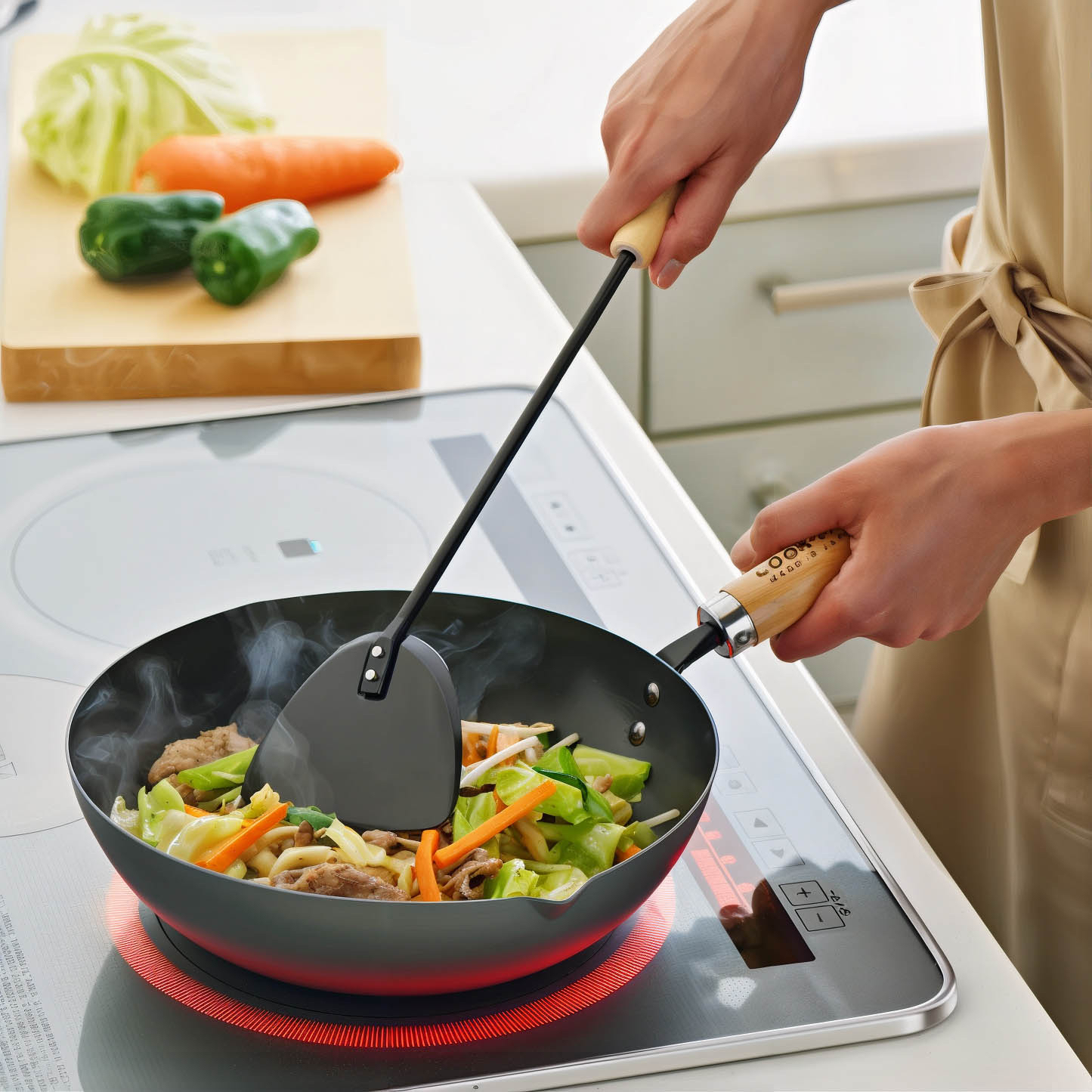
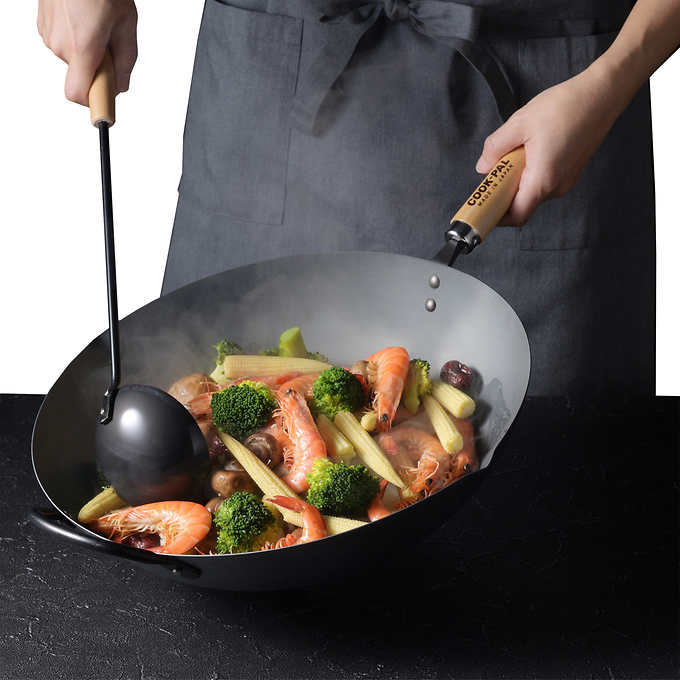
Stir-fry with confidence in your carbon steel wok. The sloped sides and fast heat response make it ideal for tossing, searing, and smoking ingredients at high heat.
Cleaning Your Carbon Steel Cookware
Proper cleaning preserves the seasoning you've worked to build and keeps the surface in top condition.
-
Skip the soap. After the initial wash, soap is off the table. Rinse with warm water and use a soft brush or cloth to remove any stuck-on food.
-
Dry immediately — never air dry. Towel-dry after every rinse without exception.
-
Apply a thin coat of oil after each use. A light wipe with a paper towel and neutral oil protects the surface and reinforces the seasoning between cooks.
How to Store Carbon Steel Cookware
Keep It Dry
Moisture is the primary enemy. Always store completely dry in a low-humidity spot.
Protect When Stacking
Place a paper towel or cloth between pans to prevent scratching the seasoned surface.
Hang If You Can
Hanging allows air to circulate freely, keeping moisture away and the surface in better condition.
Long-Term Care & Re-Seasoning
Over time, your cookware's surface will deepen in colour and become more reliably non-stick — this darkening is a sign of a well-seasoned pan, not damage. If food begins to stick or the surface looks patchy or dull, a full re-seasoning will restore it completely.
Think of carbon steel as a material you're in a long-term relationship with. The more consistently you cook with it, clean it, and oil it, the better it performs. A well-maintained Yoshikawa Cook-Pal Ren pan is genuinely a piece of cookware you can pass down.
Watch the Step-by-Step Video Guide
See the full process in action — from first wash to finished seasoning:
Ready to Begin Your Carbon Steel Journey?
Shop authentic Yoshikawa Cook-Pal Ren cookware at Ginza Steel.
Shop Cook-Pal Ren →Got questions or need help? info@ginzasteel.com