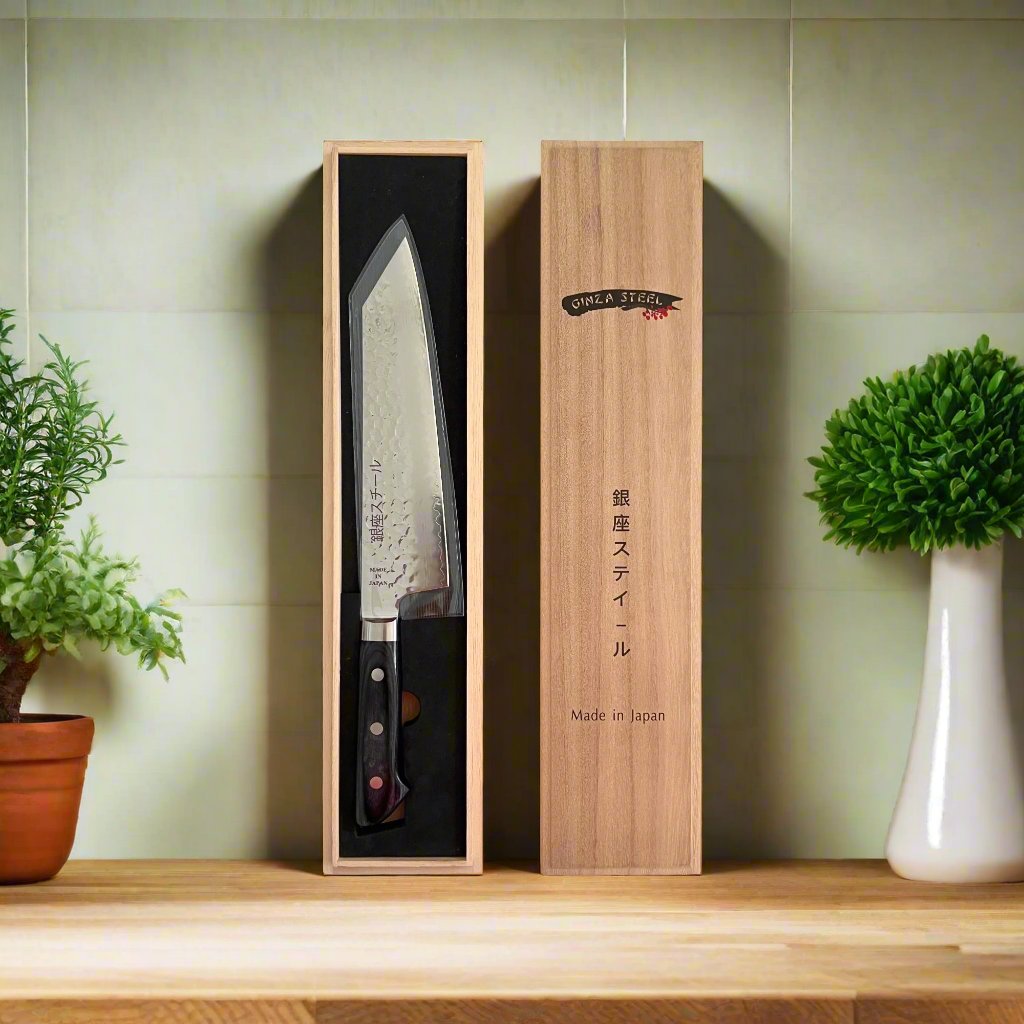
SPG2 Powder High-Speed Stainless Steel: Japan's Premium Knife Steel
Forged in Seki

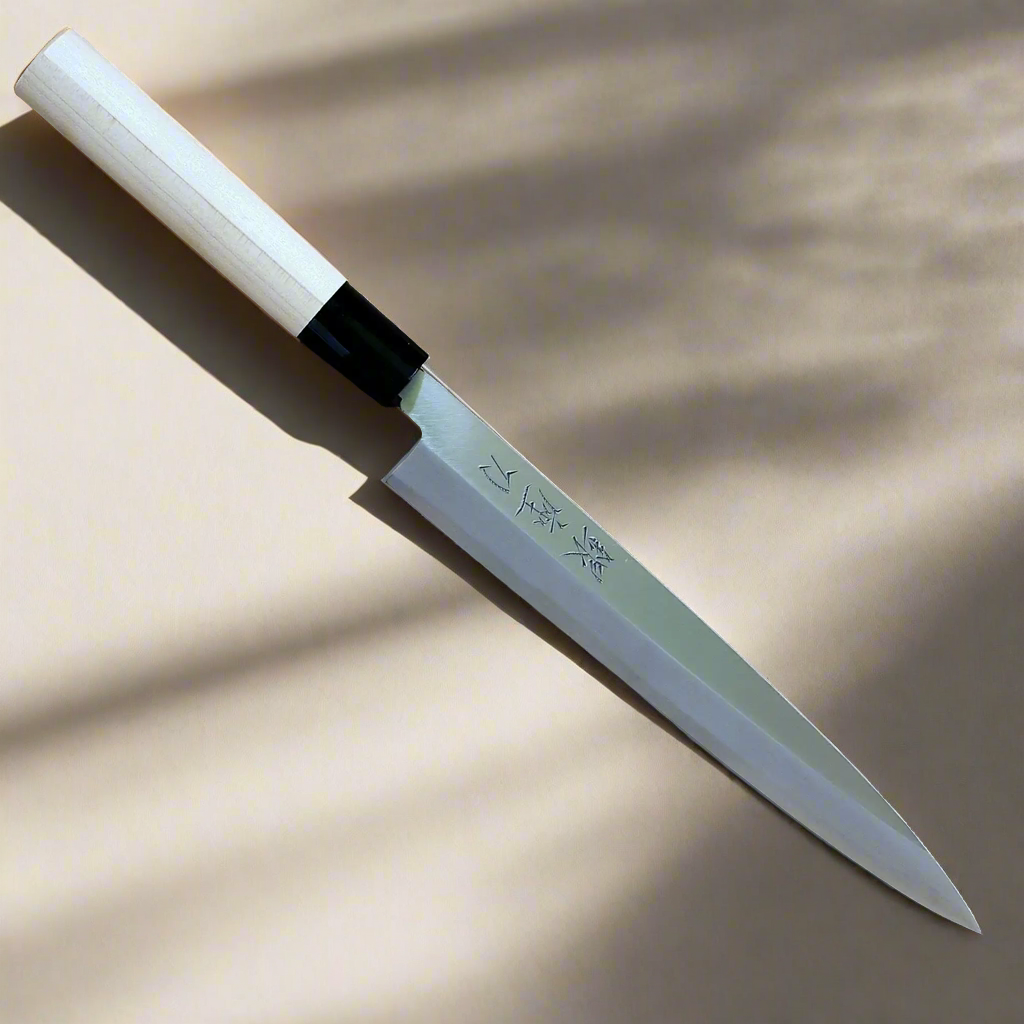
The ZUIUN series by Seki Kanetsugu represents the pinnacle of Japanese blade-making — SPG2 powder metallurgy steel, individually hand-forged in Seki City, shaped by artisans who have spent decades perfecting the craft. This is the knife you reach for when the cut matters.
 Established in Seki · Gifu Prefecture · Japan
SPG2 is not conventional stainless. It is a powder metallurgy high-speed tool steel — a category built for performance under extreme demand. The powder production process creates an exceptionally fine, uniform grain structure that allows the blade to be ground to a keener edge than most stainless alloys can sustain, while retaining that edge through extended professional use.
Critically, SPG2 carries enough chromium content to qualify as stainless, giving it meaningful corrosion resistance without the edge-performance compromises that weigh down many stainless options. For chefs who want the sharpness of a high-carbon blade with the durability of stainless, SPG2 is a genuine solution — not a marketing claim.
| Property | SPG2 Performance |
|---|---|
| Hardness | ~63–65 HRC — exceptional hardness for prolonged edge retention |
| Edge retention | Significantly superior to conventional stainless alloys |
| Corrosion resistance | Stainless-grade chromium content; suitable for professional kitchen environments |
| Grain structure | Ultra-fine powder metallurgy — enables acute grind angles |
| Forging method | Hand-forged by individual artisans in Seki City, Gifu Prefecture |
| Sharpening | Responds well to whetstones; requires less frequent touch-up than softer steels |
Seki City has been the heart of Japanese blade production for over 700 years. The city's knifemakers carry a lineage that traces directly to the sword-smiths of feudal Japan, and Seki Kanetsugu is among the most respected names to emerge from this tradition. The ZUIUN series is hand-forged — not stamped, not machine-profiled, but shaped by hand at each stage.
Hand forging does more than uphold tradition. The process aligns the steel's grain structure along the blade's length, reinforcing the edge and contributing to the knife's overall resilience. Each blade that leaves the workshop has been touched by the same hands that assessed its geometry, balance, and grind — a level of individual accountability that production-line knives simply cannot replicate.
"Every knife in the ZUIUN series is a singular object — shaped, ground, and finished by a single artisan in Seki. No two are identical."
ZUIUN (瑞雲) — auspicious clouds, a classical symbol of good fortune in Japanese art — is the name Seki Kanetsugu has given to their flagship hand-forged line. The designation reflects both the rarity of what is inside the box and the care taken in its presentation. ZUIUN knives arrive packaged with the gravity that befits a tool intended to be used for decades.
The series spans the full range of Japanese kitchen knife profiles: from the long, slender yanagiba built for clean sashimi cuts to the versatile gyuto for Western-style tasks. Each profile is ground to the traditional single or double bevel appropriate to its purpose, maintaining the geometric integrity that Japanese knife-making insists upon.

Seki Kanetsugu's reputation rests on a straightforward proposition: match traditional forging methods with materials that modern metallurgy has made available, and refuse to compromise either. Where many manufacturers have moved toward full automation to reduce costs, Seki Kanetsugu maintains hand craftsmanship on their premium lines — accepting the slower output and higher cost that this requires.
The result is a range of knives trusted by professional chefs across Japan and increasingly sought after by serious cooks in Canada and beyond who want something beyond the anonymous sameness of mass-market blades. Ginza Steel stocks Seki Kanetsugu for exactly this reason: their quality is consistent, their heritage is genuine, and their knives hold their value in both performance and resale.
The ZUIUN series in SPG2 is not an entry-level purchase. It is a considered investment made by chefs who have already owned good knives and know what they want: a blade that does not need to be touched up mid-service, that responds predictably on the stone, and that remains balanced and comfortable through hours of continuous use.
Home cooks who cook seriously — daily, with intention — will find the same appeal. A ZUIUN knife in regular use for ten years will outlast several rounds of lesser alternatives, and it will perform better the entire time. If you are buying once and buying well, SPG2 ZUIUN is the answer.
Seki Kanetsugu ZUIUN knives are available now in Canada through Ginza Steel — with free shipping on qualifying orders.
Browse the Collection →